Alert icon

Join our next open event!

Our next open event is on
Tuesday 28 April 5pm - 7:30pm

Register for your place here

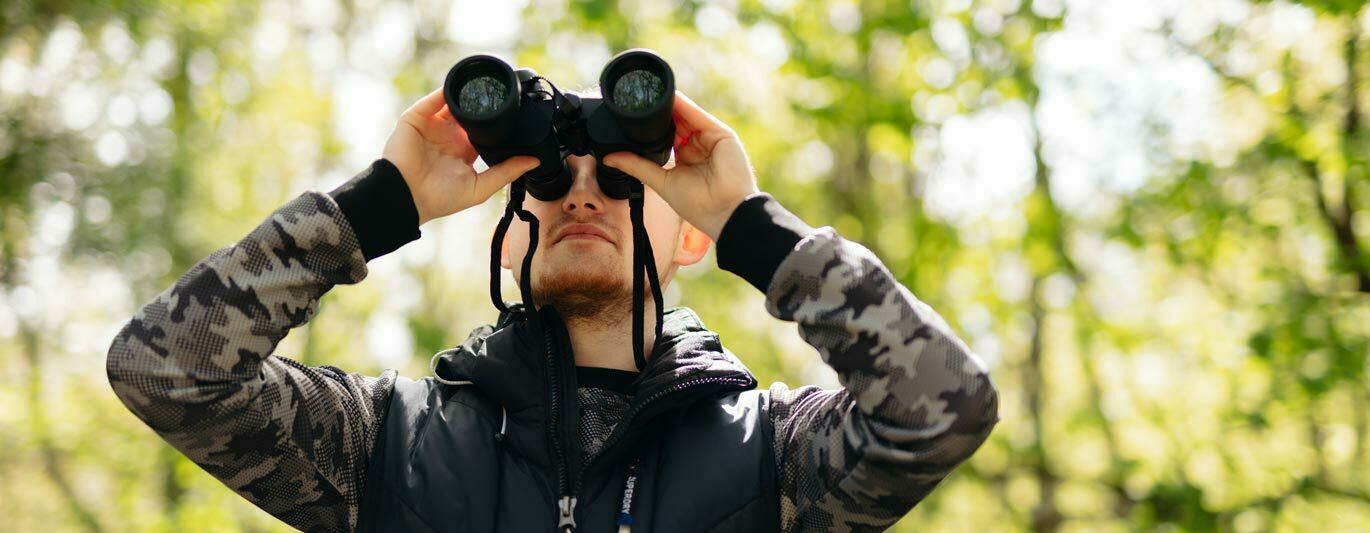
Enviro banner Environmental Studies degree student looking through binoculars

Environmental Conservation Degree Courses

Studying Environmental Conservation at Bishop Burton College in East Yorkshire gives you the skills, knowledge and real-world experience needed to make a difference in the natural world.

Our degree courses combine ecology, conservation science and hands-on fieldwork, preparing you for careers in environmental management, wildlife conservation and sustainability.

Jump to


Passionate about protecting the environment and wildlife?

With the expert guidance of our experienced lecturers, you’ll develop skills in research, data gathering and analysis, surveying, and project management.

You’ll also benefit from highly relevant work experience placements, and from lecture visits from leaders in the environmental and conservation fields.
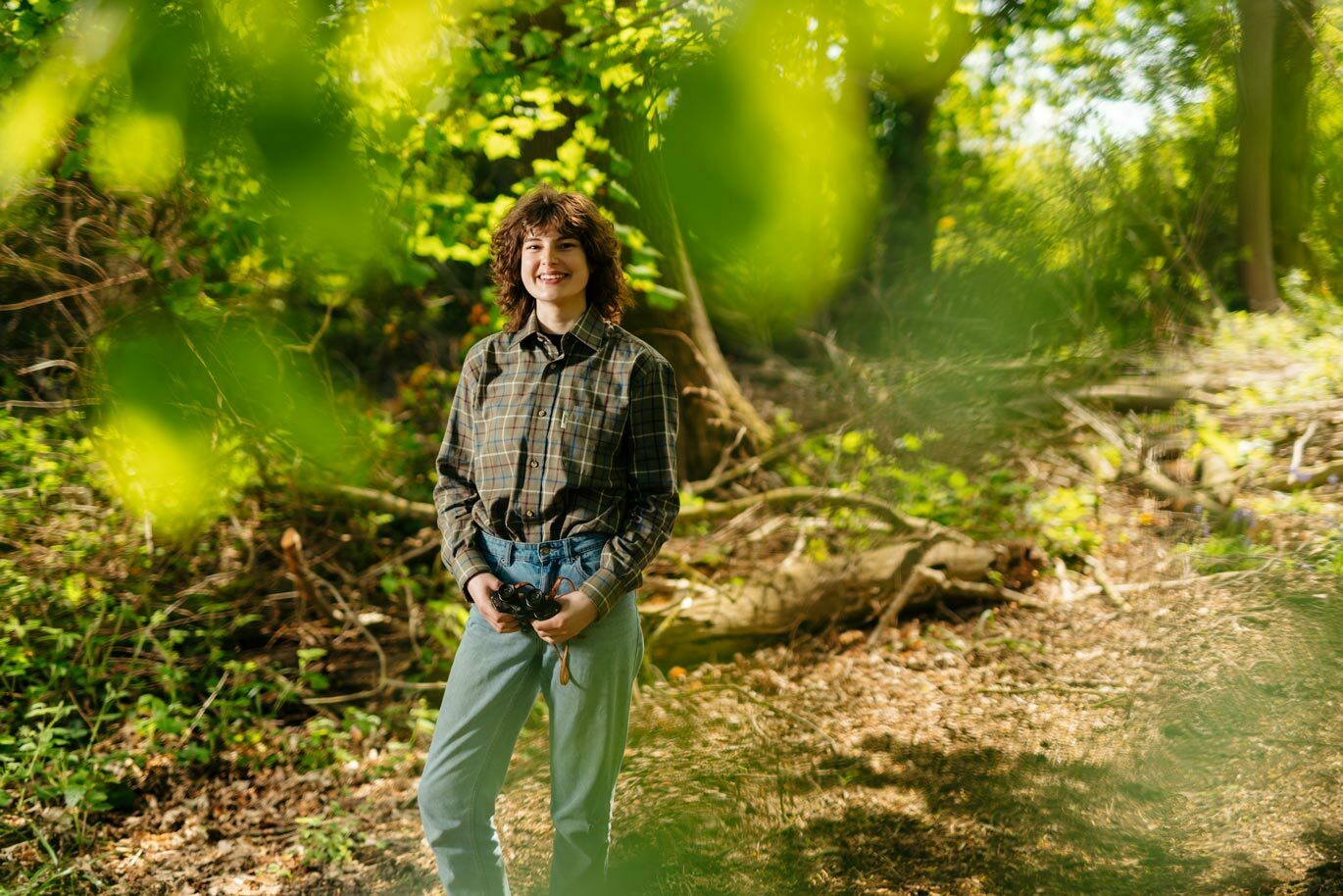
Environmental Conservation Degrees at Bishop Burton – Quick Overview

  • Location: East Yorkshire
  • Study level: Foundation Degree and Honours Degree
  • Focus: Ecology, conservation and environmental management
  • Learning style: Practical fieldwork and scientific study
  • Facilities: 750-acre rural campus with woodland and natural habitats
  • Career paths: Conservation officer, ecologist, wildlife ranger, environmental consultant
  • Progression: Employment in conservation or postgraduate study

Why Study Environmental Conservation at Bishop Burton?

  • Hands-on fieldwork and ecological surveys
    Develop practical skills through real conservation work on campus and in the local environment.
  • Outstanding natural learning environment
    Study on a 750-acre rural campus with woodland, habitats and wildlife.
  • Career-focused learning
    Gain the skills needed for roles in conservation, ecology and environmental management.
  • Industry links and field trips
    Take part in field trips and projects that build real-world experience.
  • Supportive learning environment
    Benefit from smaller class sizes and personalised support.

Facilities and Fieldwork Experience

Studying environmental conservation at Bishop Burton means learning in a real natural environment.

You will have access to:

  • A 750-acre rural campus with woodland and natural habitats
  • Opportunities for ecological surveying and habitat management
  • Fieldwork-based learning across a variety of environments
  • Specialist equipment for environmental and ecological study
  • Practical conservation projects and research opportunities
  • Students develop essential fieldwork skills through immersive ecological study and real-world application.

These experiences allow you to apply classroom knowledge to real environmental challenges.

Industry Experience

You’ll benefit from strong links within the environmental and conservation sector.

This includes:

  • Field trips to nature reserves and conservation sites
  • Opportunities to work on real conservation projects
  • Guest speakers and industry professionals
  • Experience with ecological and environmental work

These opportunities help you build industry knowledge, confidence and employability.


What You Will Study

Environmental Conservation degrees combine science, ecology and practical skills.

Depending on your chosen pathway, you might study

  • Ecology and conservation principles 
  • Wildlife management and protection 
  • Environmental sustainability 
  • Habitat management 
  • Fieldwork and ecological surveying 
  • Research and data analysis

Students develop practical and scientific skills needed to succeed in conservation careers.
 

Careers in Environmental Conservation

An Environmental Conservation degree can lead to careers such as:

  • Conservation officer
  • Wildlife ranger
  • Ecological consultant
  • Environmental advisor
  • Habitat management roles
  • Research and conservation projects

Graduates are equipped to work in roles focused on protecting wildlife, habitats and the environment.

What skills will I learn?

  • Fieldwork and ecological surveying
  • Data collection and analysis
  • Environmental awareness and sustainability
  • Research and problem-solving
  • Communication and teamwork


FAQs

What can you do with an Environmental Conservation degree?

Do Environmental Conservation degrees include fieldwork?

What will I study on an Environmental Conservation course?

Is Environmental Conservation a good career choice?

Do I need experience before applying?

Will I get practical experience on the course?

Are there opportunities for field trips or projects?

What skills will I gain from this degree?

Meet your tutors
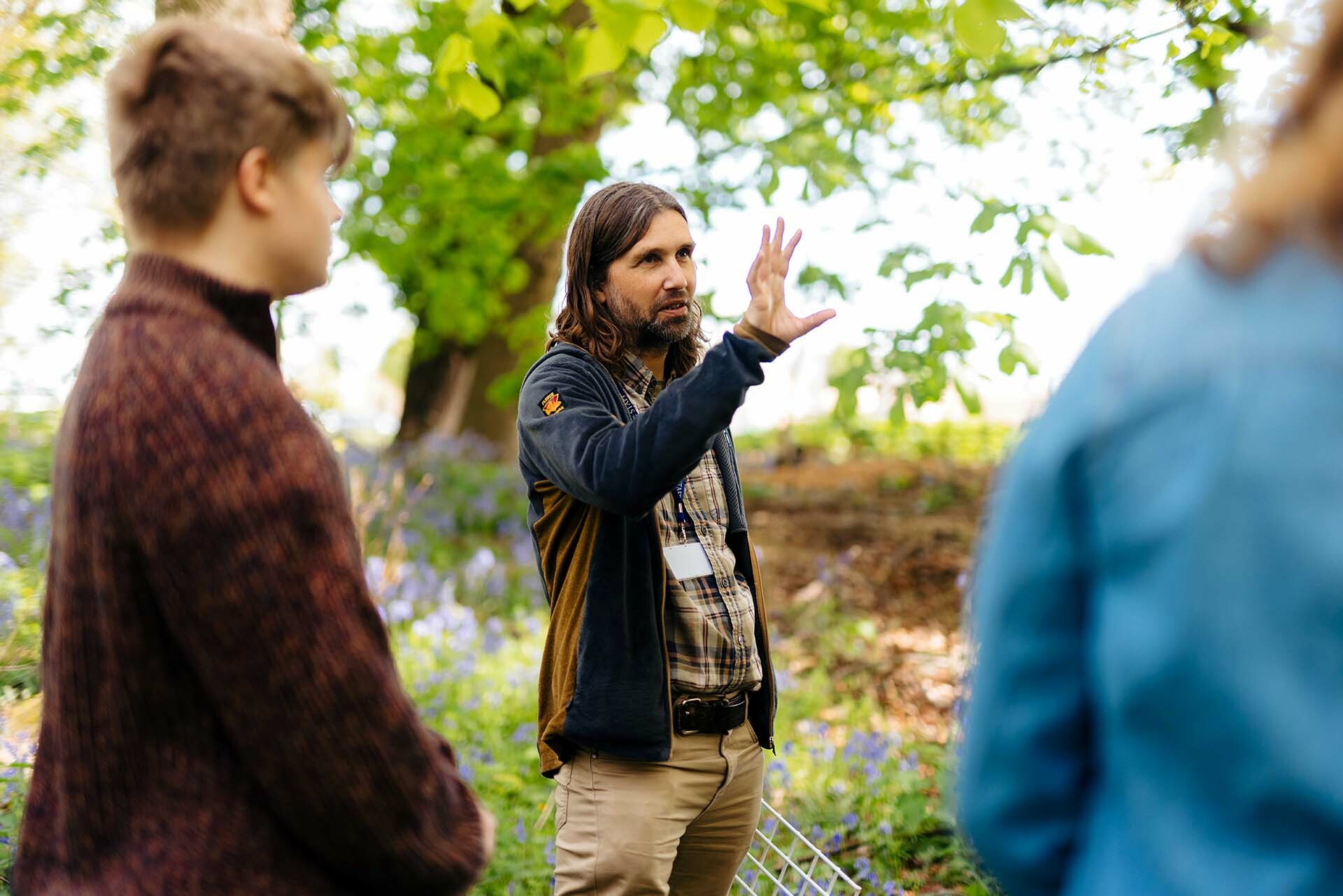
Chris Scott 1

Chris Scott

Environmental Conservation Programme Leader

Chris has a wealth of experience which he has used to develop the range of Environmental Conservation programmes at UCBB.

Working towards a masters degree in Wildlife Biology and Conservation, Chris has worked extensively with conservation groups and other voluntary sector organisations, such as The Conservation Volunteers and Hull CVS. He is currently involved in national research projects focused on bio-diversity and sustainability, that students get the opportunity to participate in.

Read more
Course Search How to Apply Open Event Booking