Technology must enhance, not replace, real-world learning
19 Jan 2026 |
New and emerging technologies such as artificial intelligence and virtual reality are reshaping almost every sector of the economy.
From agriculture and engineering to health, construction and business, the pace of change is accelerating – and education cannot stand still.
Colleges have a responsibility to prepare learners not just for today’s jobs, but for the roles that do not yet exist.
That means embracing innovation, investing in digital capability and ensuring curricula evolve alongside industry.
But it also means being clear-eyed about what technology can – and cannot – replace.
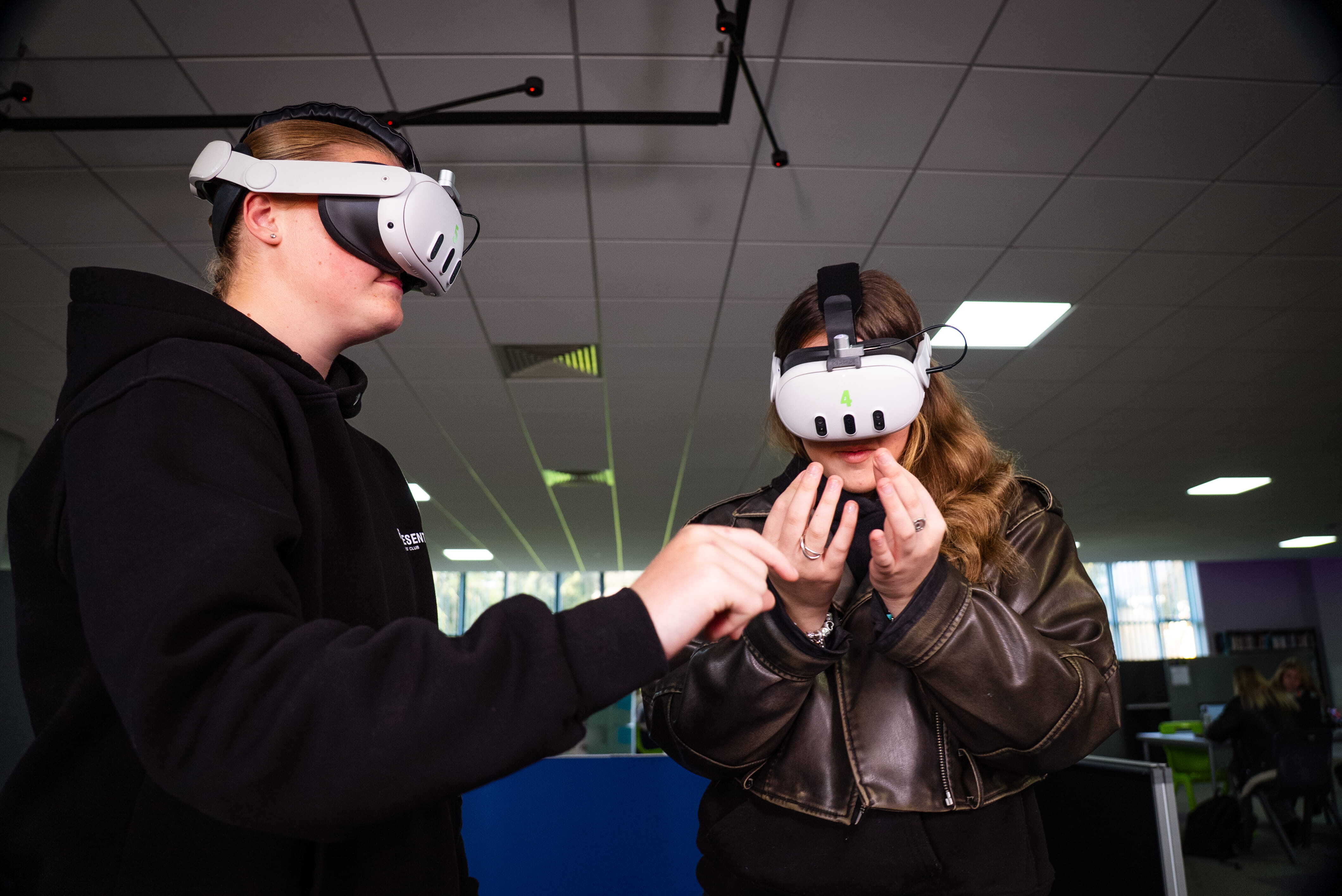
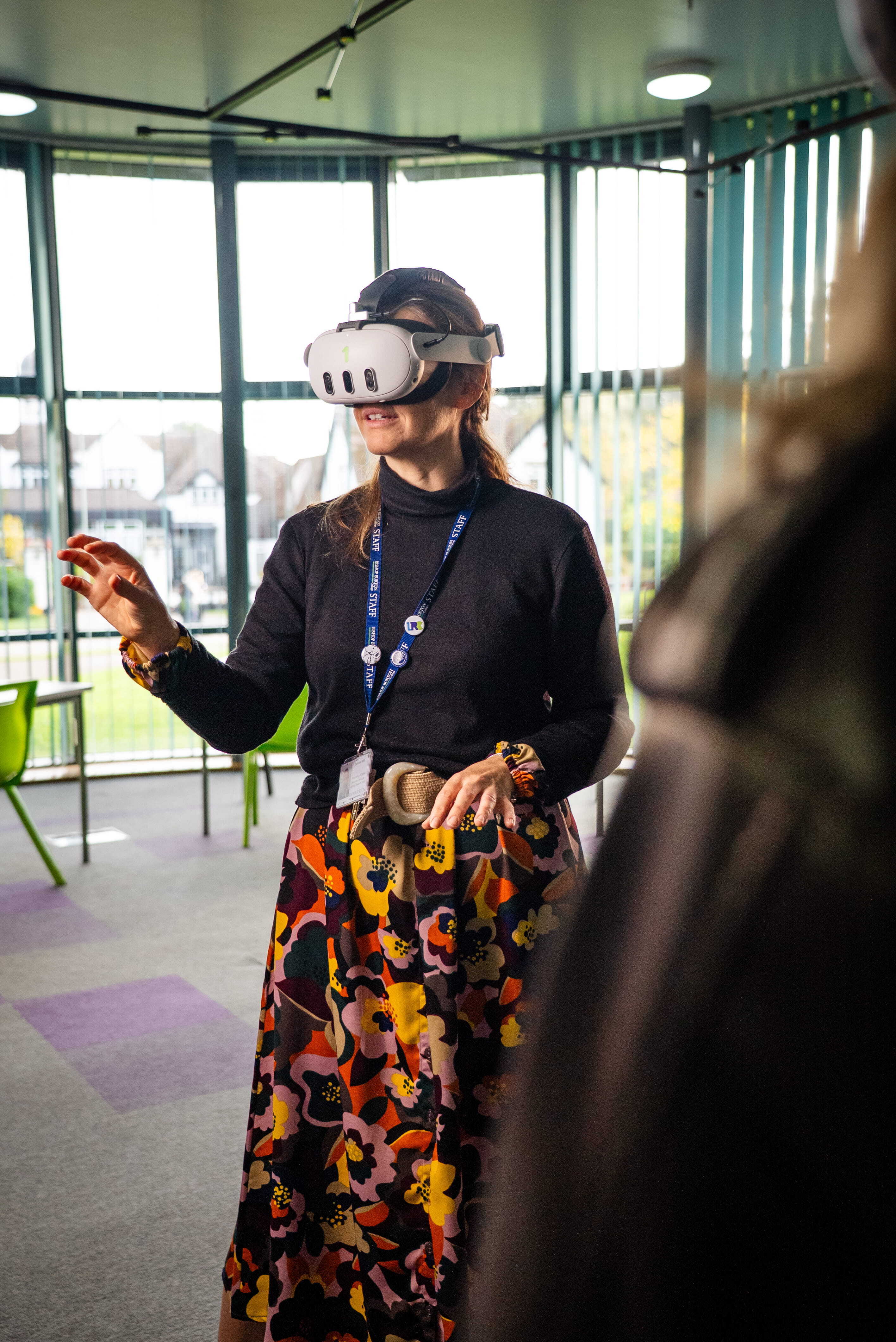
At Bishop Burton College, we are enthusiastic adopters of new technology. AI and immersive tools such as VR are now integral to how we plan and develop our curriculum.
They enhance teaching and learning, improve accessibility and allow students to practise skills in safe, controlled environments that would otherwise be difficult, expensive or risky to replicate.
Virtual reality, for example, enables learners to explore complex scenarios, rehearse decision-making and build confidence before stepping into the workplace.
AI is helping staff design learning experiences more efficiently and respond to individual learner needs. Used well, these tools deepen understanding and engagement.
However, technology must remain a means to an end – not the end itself.
There is no substitute for real-world, hands-on experience. Employers consistently tell us that technical competence, confidence and professional behaviours are best developed through doing, not just simulating.
That is why our investment in digital innovation sits alongside – not instead of – our commitment to practical learning environments.
Our commercial farm, equine arena and yard, animal management unit and engineering workshops are not simply facilities – they are live, working environments that mirror industry expectations.
Students experience the realities of modern working life, including the pressures, the unpredictability, the teamwork and the responsibility that cannot be fully replicated on a screen.
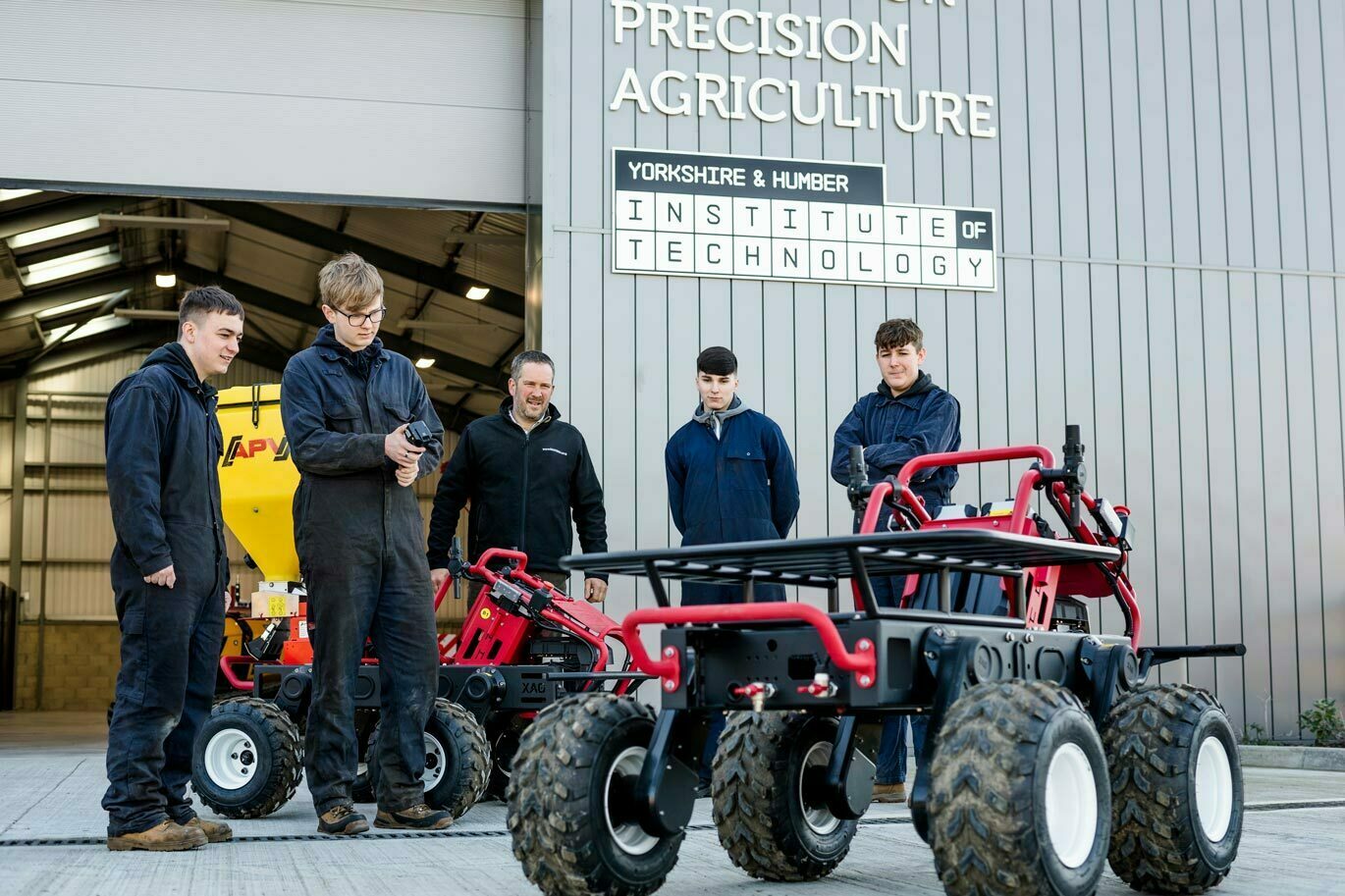
On the farm, learners work with livestock, crops and precision technology in a commercial setting.
In engineering workshops, they develop practical skills using industry-standard equipment.
In animal management and equine facilities, they learn welfare, handling and professionalism through direct experience.
These environments build competence, resilience and confidence – qualities employers value just as highly as digital skills.
The future workforce will need both.
A farm technician may use AI-driven data to inform decisions, but they still need practical husbandry skills.
An engineer may train using VR, but must be able to apply that knowledge safely on the workshop floor.
Technology enhances learning, but it does not replace the need to understand how work happens in the real world.
Curriculum planning must therefore strike the right balance. At Bishop Burton, digital innovation and practical delivery are designed together, informed by employers and industry partners.
Technology is embedded where it adds value, while hands-on experience remains central to developing work-ready skills.
As colleges, we should be ambitious about embracing innovation – but equally confident in defending the importance of practical learning.
The challenge is not choosing between technology and tradition, but combining them intelligently.
If we get that balance right, we will equip learners with the adaptability, confidence and competence needed to succeed in an increasingly complex world of work – now and in the future.
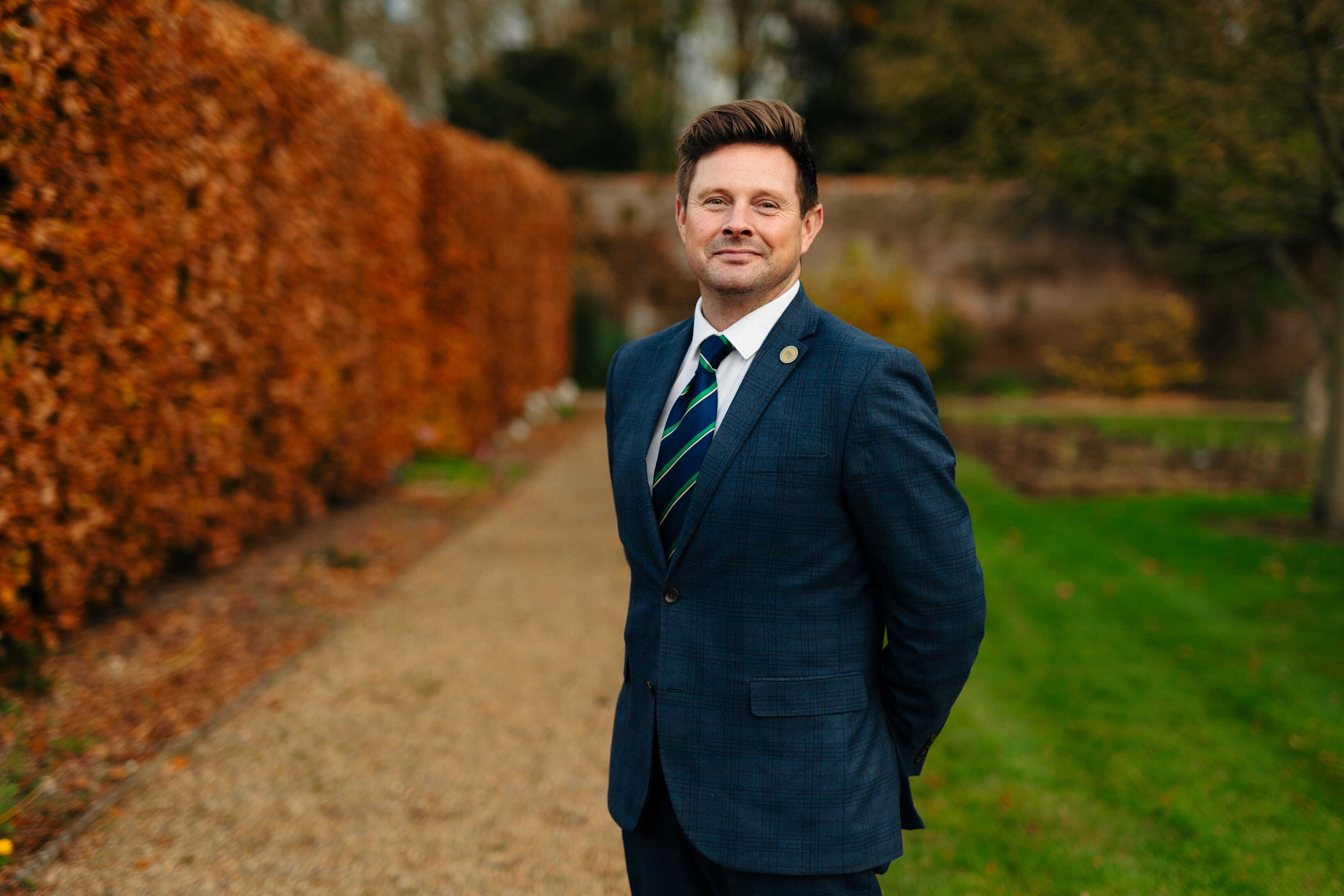
Danny Metters, Principal and Chief Executive of Bishop Burton College